
South African Coinage · The Rand Era
Decimal coinage.
On 14 February 1961, the rand replaced the pound and South African coinage entered its decimal era. Three series, six decades, and a visual atlas every collector should be able to read at a glance.
The arithmetic: 100 cents to the rand · 1 pound = 240 pence = 200 cents · 1 cent = 1.2d.
The three series
In Chronological OrderThe two sparrows
A Memorial Hidden in CirculationFrom the curatorial desk
Why two sparrows on the 1c?
Of all the design choices in South African decimal coinage, the most quietly remarkable is the pair of Cape Sparrows on the 1-cent coin — first struck in 1961, retained through the second series in 1965, and carried into the third series in 1990. For most of the twentieth century, every South African handled this coin without knowing what it commemorated.
The story, as preserved in oral tradition, traces back to the Anglo-Boer War concentration camps of 1899–1902, where Boer women and children were interned under conditions that killed roughly 26,000 of them. After the war, survivors visited the farm Onze Rust near Bloemfontein, the home of Free State President M.T. Steyn and his wife. They lobbied Mrs Steyn that if South Africa ever struck its own coins, two sparrows should appear on the smallest denomination — in remembrance.
The verse they cited was Matthew 10:29, in the Dutch Bible of the time:
"Worden niet twee musjes om een penningsken verkocht? En niet een van deze zal op de aarde vallen zonder uw Vader." — Matthew 10:29 · Dutch translation in circulation at the time
"Are not two sparrows sold for a penny? And not one of them will fall to the ground apart from your Father." The smallest coin, two small birds, an entire war's grief carried in copper. The 1c with two sparrows was struck for forty-one years across all three series. It is one of the most quietly significant coins in South African numismatics — and most South Africans have never been told what they were holding.
The atlas
Ten Coin Pairs · Obverse & Reverse1961 – 1964 · The first series
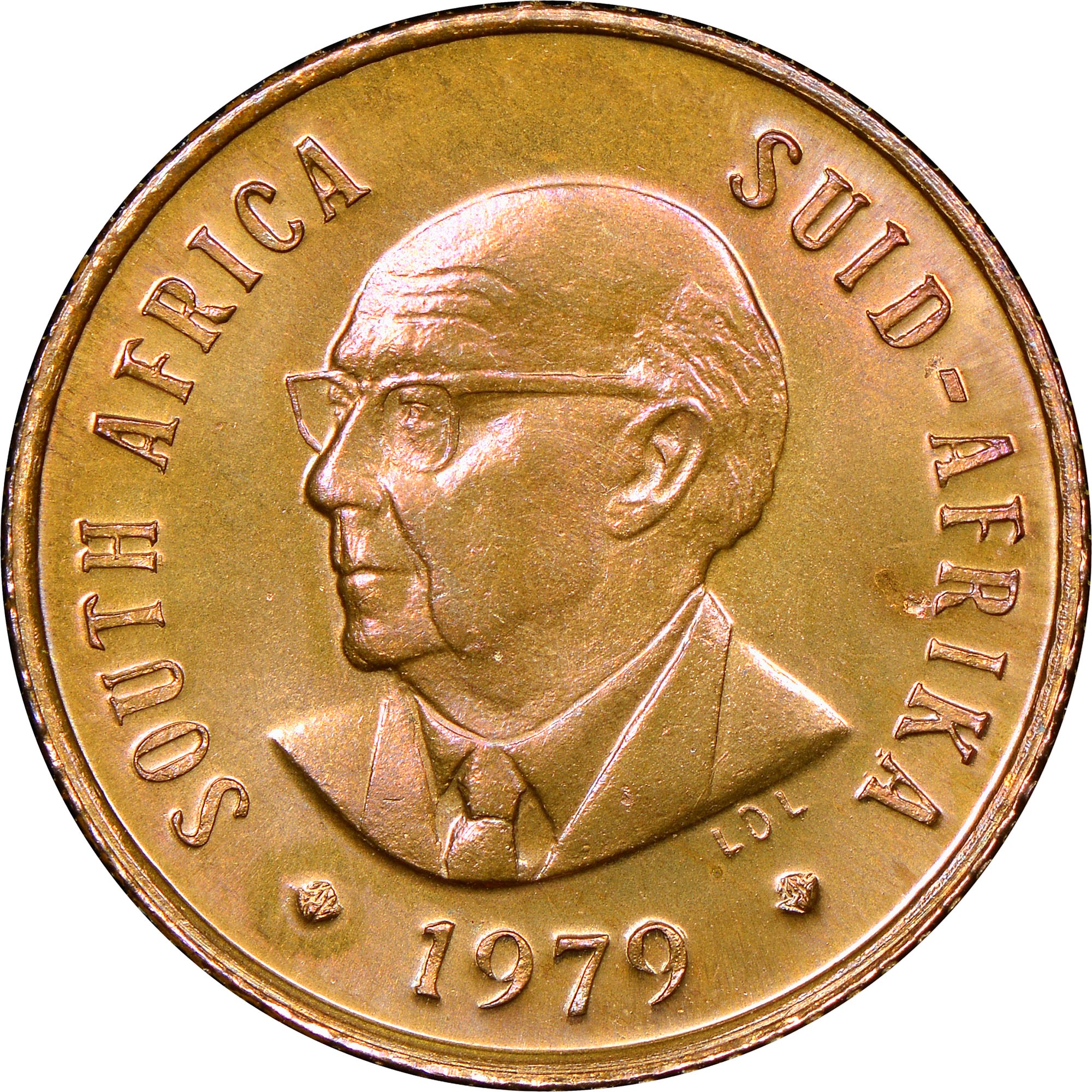 Obverse
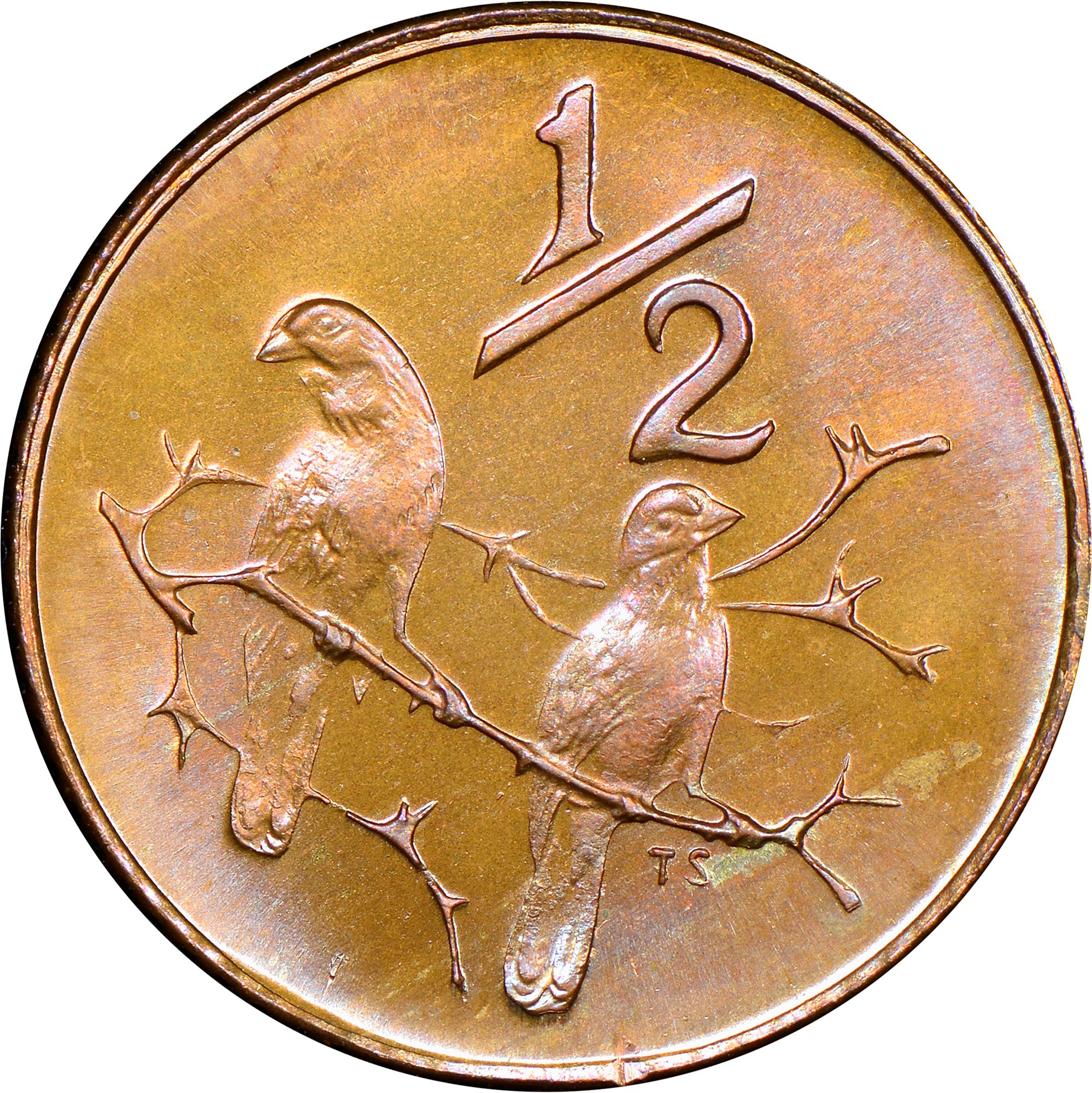 Reverse
1965 – 1989 · The revised series
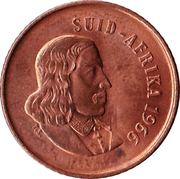 Obverse
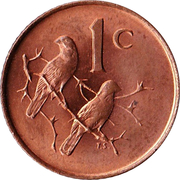 Reverse
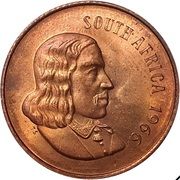 Obverse
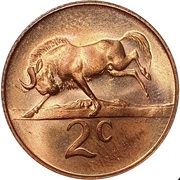 Reverse
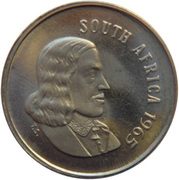 Obverse
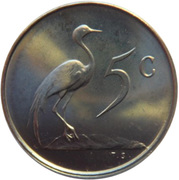 Reverse
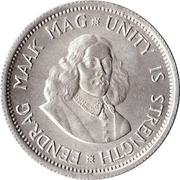 Obverse
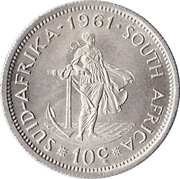 Reverse
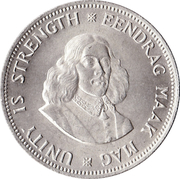 Obverse
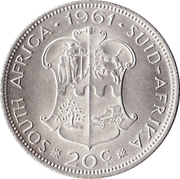 Reverse
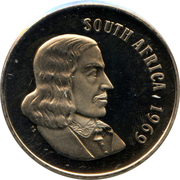 Obverse
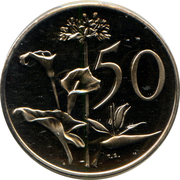 Reverse
1989/90 – present · The third series
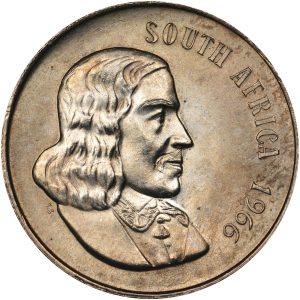 Obverse
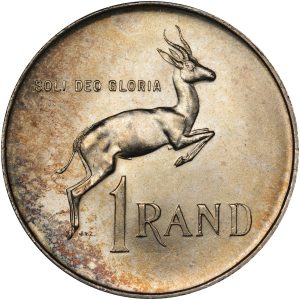 Reverse
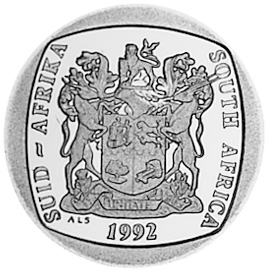 Obverse
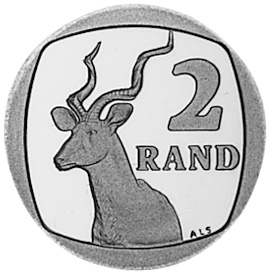 Reverse
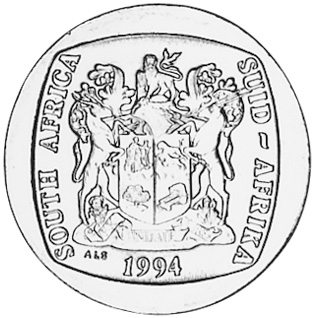 Obverse
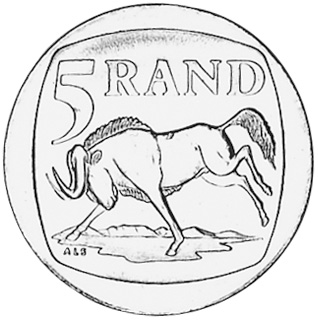 Reverse
The references
Standard Sources- Brian HernHern's Standard Catalogue of South African Coins, Patterns & Tokens (annual edition).
- South African Reserve BankHistory of Banknotes and Coin; Coins reference pages.
- South African MintOfficial records and series specifications.
- Currency WikiPer-denomination mintage and metallurgy records.